
Triisobutyl phosphate CAS#126-71-6
CAS Number: 126-71-6
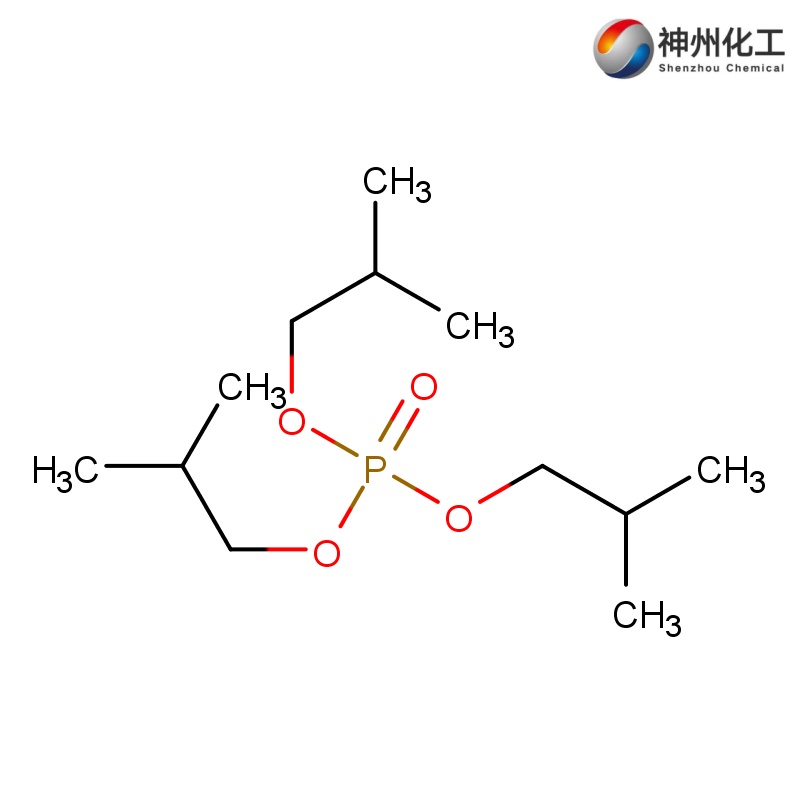
Chemical Formula: C12H27O4P
Synonyms:
Tris(2-methylpropyl) phosphate
Triisobutylphosphat
TRIS-ISOBUTYLPHOSPHATE
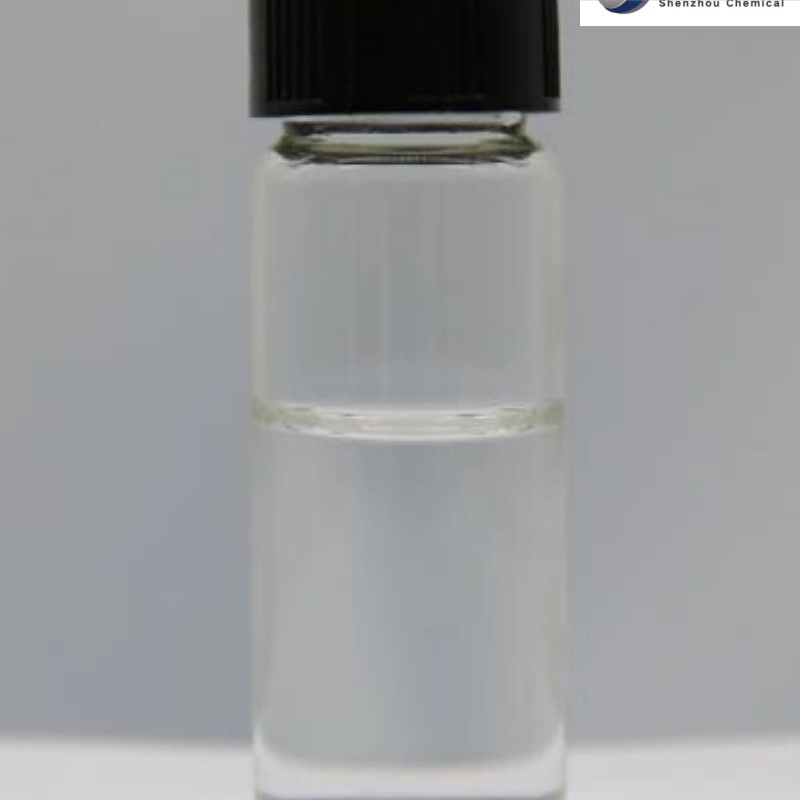
Appearance: Transperant Liquid
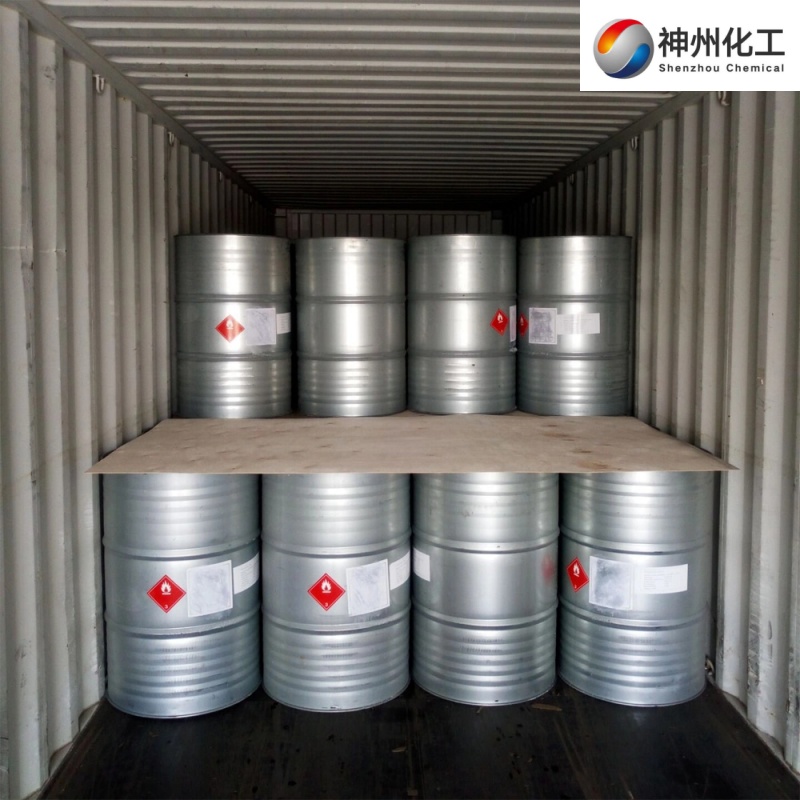
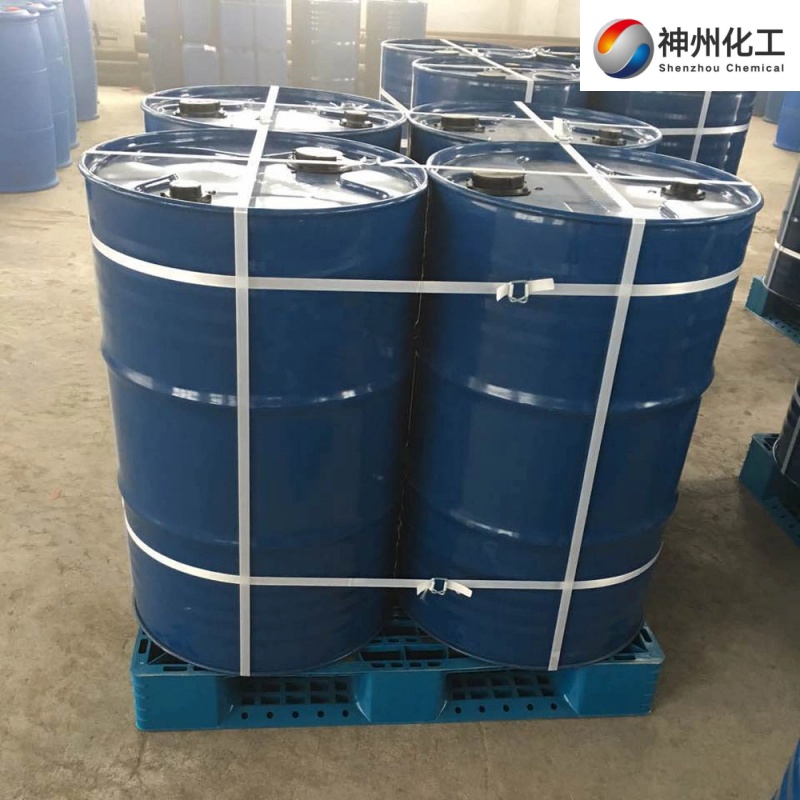
MOQ (Minimum Order Quantity): 1 FCL (Full Container Load)
Product Details
Triisobutyl phosphate CAS#126-71-6
Triisobutyl phosphate (TIBP), also referred to as triisobutyl phosphoric acid ester, is a highly polar solvent with versatile industrial applications. Its primary uses include acting as an additive in concrete liquefaction, paper coating formulations, and textile auxiliaries. A key application is as an antifoaming agent in various aqueous systems, where it effectively eliminates existing foam and inhibits further foam formation.
TIBP also serves as a solvent for dissolving synthetic resins and natural rubber. In cellulose-based plastics and synthetic resins alike, it functions as a flame-retardant plasticizer, enhancing both fire resistance and flexibility. Additionally, it is utilized as a dispersing agent for pigment pastes, ensuring uniform pigment distribution.
Owing to its viscosity's low sensitivity to temperature fluctuations, TIBP is a critical ingredient in the production of hydraulic fluids for aircraft systems. As a high-performance wetting agent, it finds extensive use in the textile industry and adhesive manufacturing, improving substrate wetting and bond strength across various applications.
Triisobutyl phosphate Chemical Properties | |
Melting point | <-60°C |
Boiling point | ~205 °C(lit.) |
density | 0.965 g/mL at 20 °C(lit.) |
vapor pressure | 0.002 hPa (20 °C) |
refractive index | n20/D 1.420 |
Fp | 150 °C |
storage temp. | Store below +30°C. |
solubility | 0.26g/l |
form | Oil |
color | Colourless |
Water Solubility | 264mg/L at 25℃ |
InChI | InChI=1S/C12H27O4P/c1-10(2)7-14-17(13,15-8-11(3)4)16-9-12(5)6/h10-12H,7-9H2,1-6H3 |
InChIKey | HRKAMJBPFPHCSD-UHFFFAOYSA-N |
SMILES | P(OCC(C)C)(OCC(C)C)(OCC(C)C)=O |
LogP | 3.72 at 25℃ |
CAS DataBase Reference | 126-71-6(CAS DataBase Reference) |
EPA Substance Registry System | Triisobutyl phosphate (126-71-6) |
Safety Information
Hazard Codes | Xi |
Risk Statements | 43 |
Safety Statements | 36/37 |
WGK Germany | 1 |
RTECS | TC9300000 |
Autoignition Temperature | 430 °C DIN 51794 |
TSCA | TSCA listed |
HS Code | 2919 90 00 |
Toxicity | LD50 orally in Rabbit: > 5000 mg/kg LD50 dermal Rabbit > 5000 mg/kg |
Product Application of Triisobutyl phosphate CAS#126-71-6
Phosphate esters are versatile industrial chemicals, used as flame retardants, plasticizers, hydraulic fluids, solvents, extractants, and antifoaming agents.
How They Distribute in Water, Sediment, and Soil
Phosphate ester flame retardants enter the environment from industrial waste and the disposal of products that use these flame retardants. These human-made chemicals first became popular and widely used in the 1970s, and as a result, they’ve since been found in water, soil, and air around the world.
They’re commonly present in surface water and groundwater for three main reasons: they leach out of PVC plastics and polyurethane foams, industrial factories release them in wastewater, and hydraulic fluid spills introduce them into the environment. This initially contaminated water can then move to other places—like drinking water sources.
Hydrolysis is the main way these flame retardants break down naturally in the environment, but this process is slow because the chemicals don’t dissolve well in water and their breakdown depends on the pH level of the surroundings. In soil and sediment, these compounds stick tightly to particles, making them long-lasting. For the phosphate esters that attach to soil, evaporation into the air and breakdown by microbes are the main ways they’re removed.
Factory and Equipment Show

Fast delivery time
Inventory 2-3 working days New production 7-10 working days


